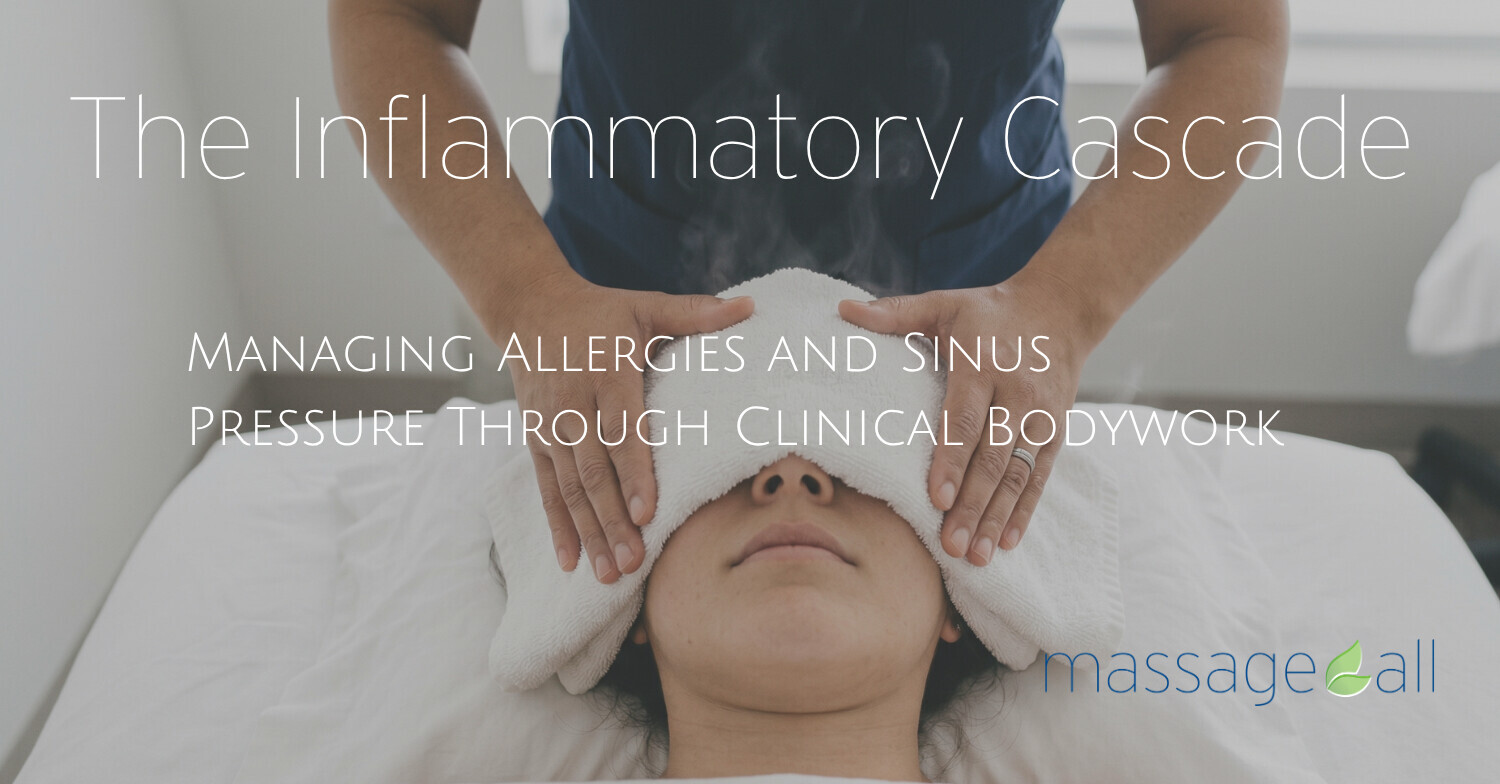
As the landscape shifts into the vibrant growth of spring, many individuals find their internal systems struggling to keep pace. While the blooming environment is a sign of ecological vitality, for the human body, it can trigger what clinicians call the "Inflammatory Cascade." Seasonal allergies are often dismissed as a mere inconvenience of the respiratory tract, but from a physiological perspective, they represent a systemic immune response that affects the entire "human frame."
The Mechanics of Sinus Pressure
The human skull contains four pairs of paranasal sinuses—hollow, air-filled cavities lined with mucous membranes. Their primary function is to circulate, warm, and filter the air we breathe. However, when the body encounters environmental allergens like pollen or mold spores, the immune system releases histamines. These chemicals cause the mucous membranes to swell, effectively sealing off the tiny drainage passages known as ostia.
Once these passages are blocked, the air and fluid inside the sinus cavities become trapped. This creates a vacuum-like pressure that manifests as the characteristic "heavy head," throbbing behind the eyes, and tension in the jaw. If left unaddressed, this stagnant fluid becomes a primary source of inflammation that can radiate down the neck and into the upper back.
The Lymphatic Stagnation of the Head and Neck
Crucial to understanding sinus relief is the role of the lymphatic system. The head and neck are home to nearly one-third of the body’s lymph nodes. Unlike the circulatory system, which has the heart to act as a pump, the lymphatic system is a passive network. It relies on the movement of muscles and external pressure to move fluid.
During an inflammatory event, the lymph nodes around the ears, jaw, and sternocleidomastoid (the large muscle on the side of the neck) can become engorged. When these "exit ramps" for fluid are blocked by muscular tension or systemic swelling, the sinus cavities have nowhere to drain. This is why many people find that even after taking antihistamines, the "pressure" remains. The chemical trigger may be suppressed, but the physical fluid remains stagnant.

The Role of Manual Sinus Drainage
Clinical bodywork offers a mechanical solution to this mechanical problem. By utilizing rhythmic, superficial strokes across the facial bones and the scalp, a practitioner can encourage the ostia to open and the lymphatic fluid to begin its descent toward the nodes in the neck.

This process, often referred to as manual drainage, requires an expert understanding of the facial anatomy. The pressure must be precise—too deep, and you collapse the delicate lymph vessels; too light, and you fail to stimulate the movement of fluid. When performed correctly, this technique reduces the "puffiness" associated with spring allergies and provides an immediate sensation of "space" within the skull.
Respiratory Support and Muscle Compensation
When breathing becomes difficult due to nasal congestion, the body initiates a compensatory pattern. We begin to use "secondary respiratory muscles"—the scalenes in the neck and the intercostals between the ribs—to pull in air. These muscles are not designed for the heavy lifting of primary respiration. Over the course of the allergy season, these muscles become hypertonic and fatigued, leading to secondary symptoms like tension headaches and restricted shoulder mobility.
A comprehensive approach to springtime inflammation must address these structural compensations. By releasing the tension in the anterior neck and the thoracic cage, we allow the lungs to expand fully, which in turn supports the lymphatic "pump" located in the chest.
Botanical Integration: The Chemistry of Breath
In a clinical setting, the effectiveness of manual drainage is often enhanced through the strategic use of high-eucalyptol botanicals. Compounds such as eucalyptus, peppermint, and ravintsara are more than just pleasant scents; they are aromatic keys. When these oils are diffused or applied topically (diluted) during a session, the menthol and eucalyptol act as natural vasodilation agents. They help to chemically signal the respiratory pathways to open, working in tandem with the physical manipulation of the tissue to restore clear breathing.

Restoring Internal Alignment
April is a month of restoration. By understanding that sinus pressure is a systemic inflammatory event rather than an isolated nasal issue, we can take a more holistic approach to our wellness. Through the combination of manual lymphatic drainage, scalp massage, and respiratory muscle release, we can clear the internal "sludge" of the season, allowing the body to return to a state of alignment and vitality.

Sarah Shropshire
Contact Me